Before Seasoning, There Is Dashi
Musings of an Ikigai Home Cook
Kei Tsuda
12/17/20251 min read
I live in a region where many cultures share the same sidewalks.
Through conversations, potlucks, and casual exchanges, I’ve learned that many kitchens around me cook very different things.
Different kitchens.
Different traditions.
But when I pay attention, I notice something familiar.
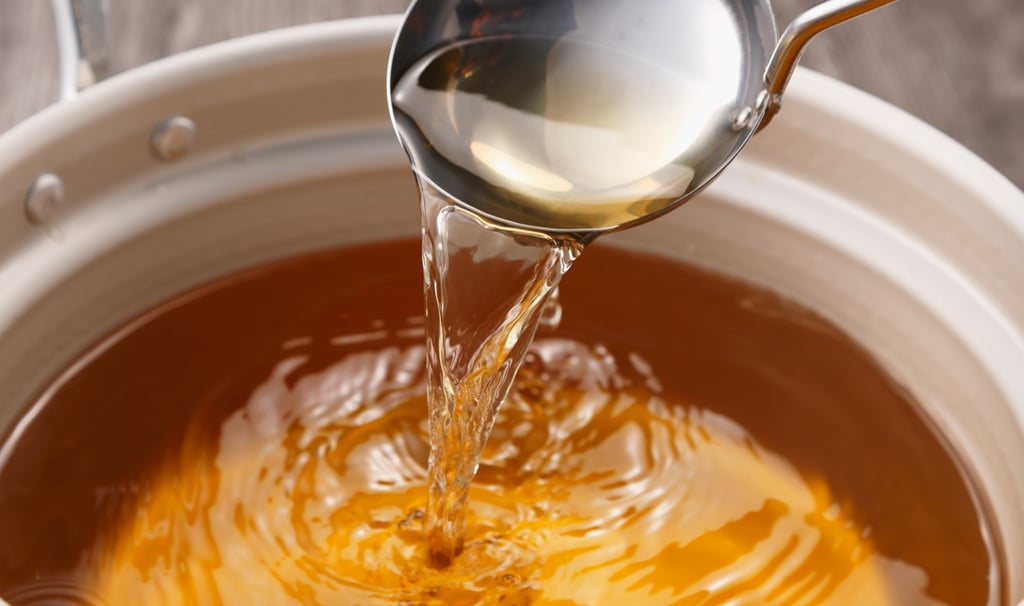
Before seasoning begins, many cuisines build a base.
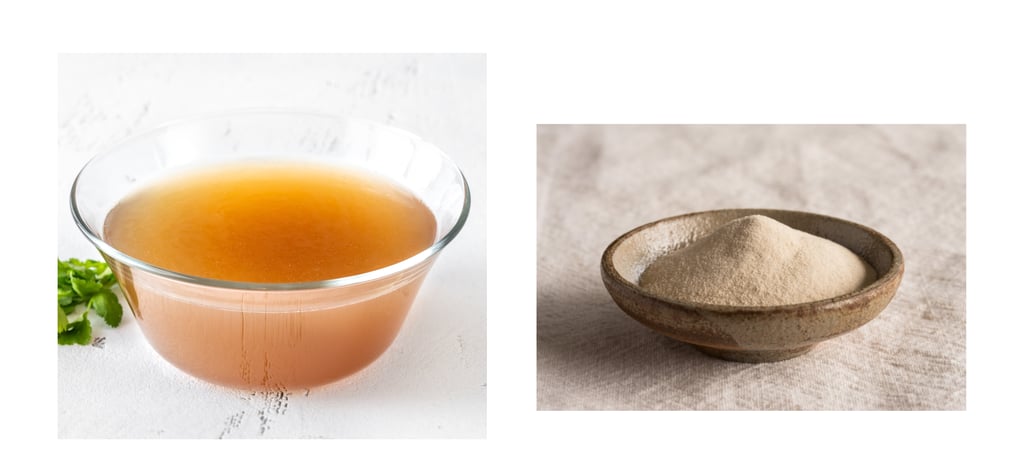
In French cooking, it’s bouillon.
In American kitchens, it’s often broth — chicken broth, beef broth — poured straight from a carton or a can.
Lightly seasoned.
Ready to use.
Always there, so cooking can start without hesitation.
Japanese home cooking works the same way.
Before salt.
Before sugar.
Before soy sauce or miso... There is dashi.
Dashi isn’t seasoning.
It’s what makes seasoning possible.
Traditionally, dashi is made from kombu and bonito flakes — ingredients that release umami gently into water. If you’re curious about making dashi from scratch, there are wonderful online guides that walk through that process step by step.
In everyday Japanese homes today, though, many cooks don’t make dashi from scratch every time.
They use powdered dashi and so do I.
This choice isn’t about cutting corners.
It’s about how life is lived.
In the United States, broth is sold as a liquid.
Cartons and cans are easy to carry when groceries are bought by car and stored in large refrigerators and pantries.
In Japan, shopping often looks different.
People shop more frequently and many walk or ride bicycles.
Carrying heavy liquid stock home again and again simply doesn’t make much sense.
So the base is concentrated. Powdered dashi mixed with water plays the same role as chicken or beef broth.
It creates a place for cooking to begin.
Different form.
Same idea.
Once dashi / broth is ready, the kitchen feels calmer.
There’s no rush to adjust flavors.
No need to fix things right away.
The base is there.
Dashi doesn’t rush anything.
When it’s there, cooking slows down just enough to feel steady.
That steadiness is what makes seasoning possible.
So next time, I’ll start where seasoning really begins — with sugar.